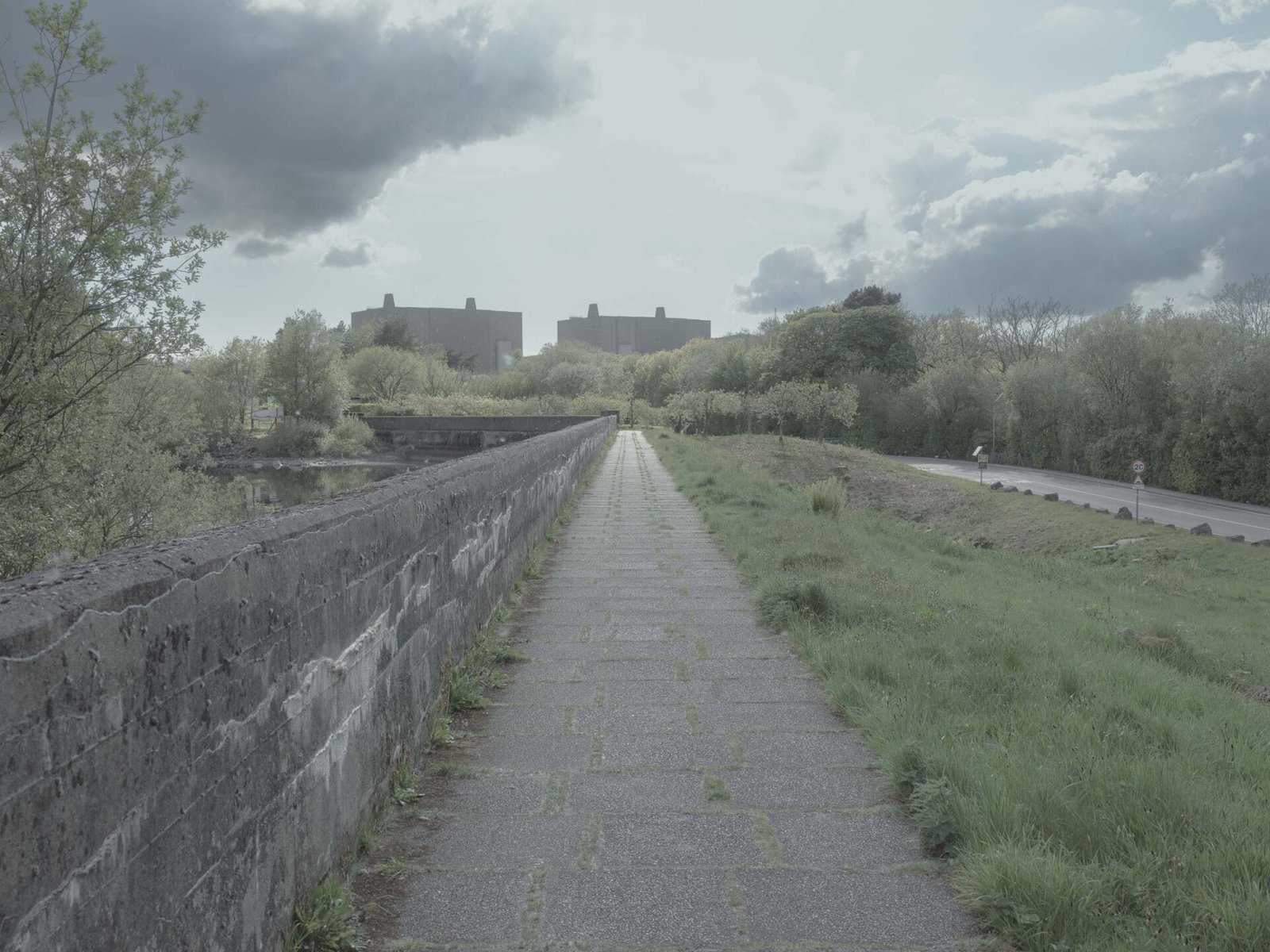
I had come to Eryri to spend some time alone and recharge; to walk and to make photographs. I left a little more conscious of my place in the world than when I arrived.
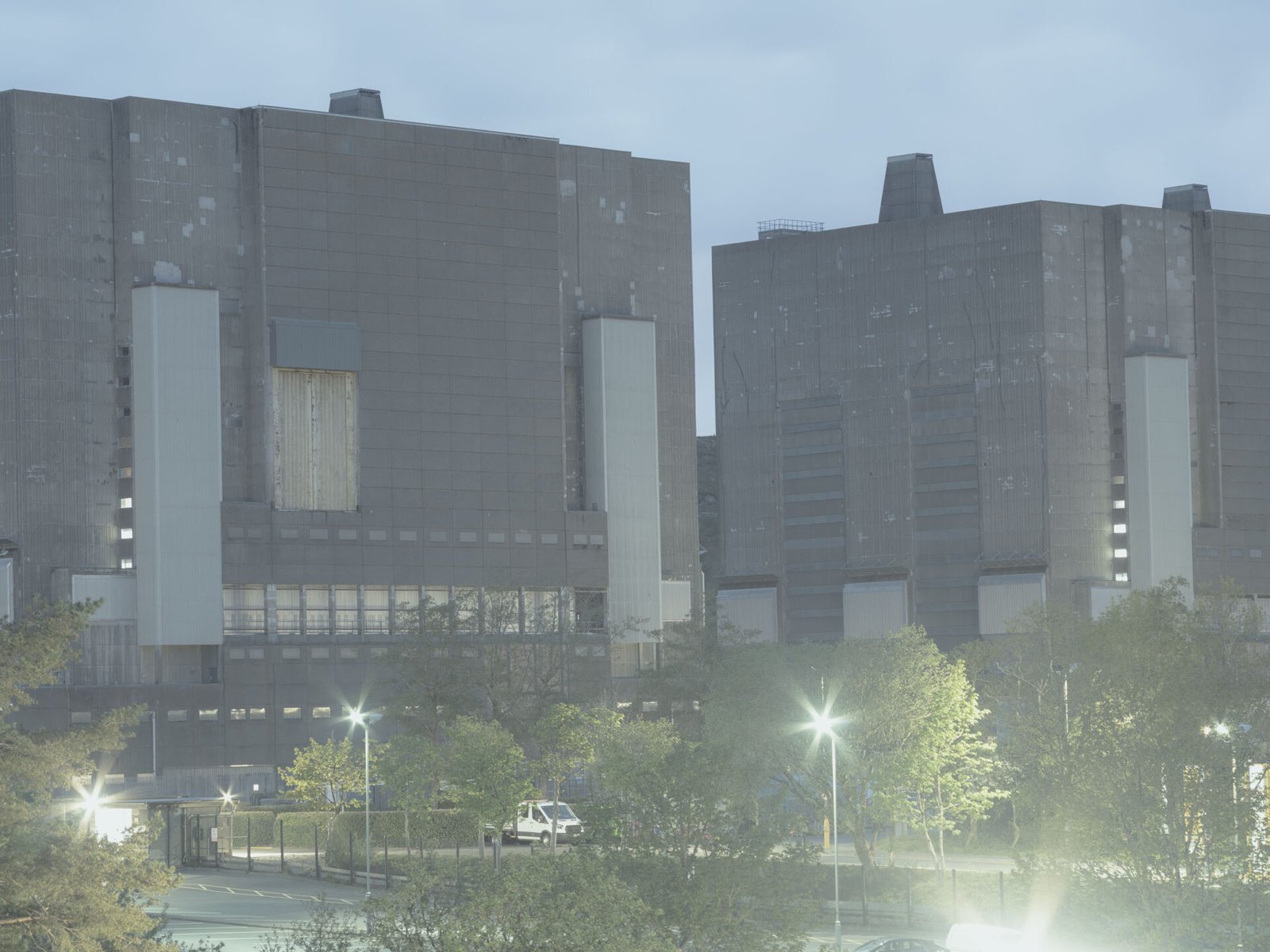
I knew, as part of my trip, I wanted to spend some time around the now-decommissioned Trawsfynydd nuclear reactors. These twin Magnox reactors, constructed and operational from 1965, are unique in the UK in that they are the only nuclear reactors built in a national park. I wanted to explore how they had impacted the environment here, what relationship they had to the beauty that surrounds them.
Approaching the reactors for the first time, there was a familiarity to the brutalist concrete megastructures that loomed in the foreground of my car windscreen. They follow the same aesthetic as Sizewell A and Dungeness A, both reactors closer to home and that I have photographed before. Here though, there are two of them. A pair of concrete twins, birthed as slaves to our energy demands and now standing as fading monuments to our engineering hubris.
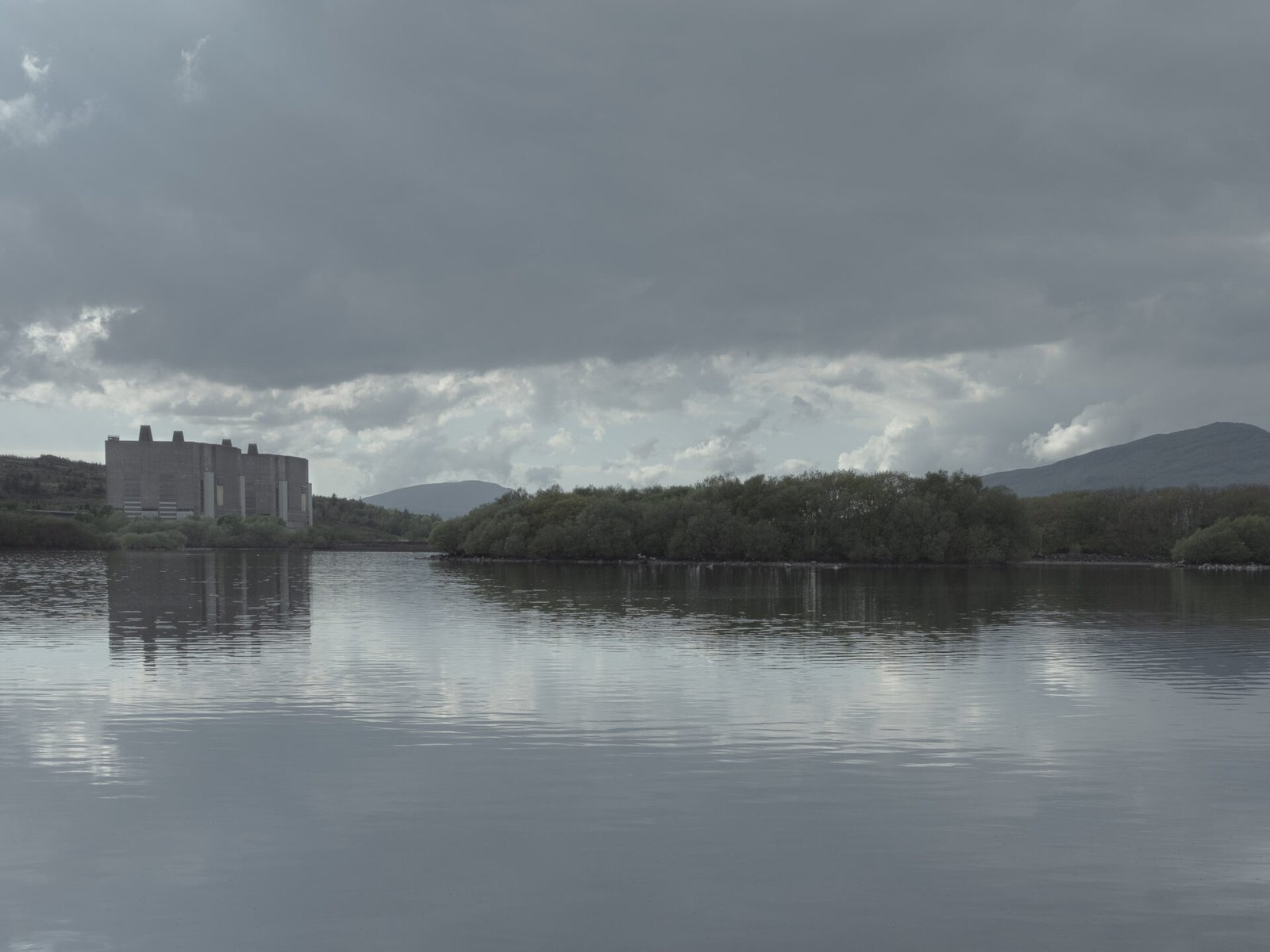
The reactors sit on the banks of a manmade lake – Llyn Trawsfynydd. The lake came decades before the reactors (flooded from 1924 to 1928), created by one of four dams that were built to serve the hydro-electric power station down the valley at Maentwrog. Viewed from just around the Llyn, the reactors actually settle neatly into the landscape, their huge scale somehow more manageable seen as reflections on the Llyn and against the huge mountain vistas of Snowdonia.
The next day I took a walk around the Llyn’s perimeter to get a greater sense of how they sit in the context in which I found them. The weather was kind on the days I was in Wales, but the skies still had a sense of potential menace in them. This only adds to the drama of the landscape, the sky somehow a mirror of the rugged and wild moorland and mountains around me.
As you walk around the lake you come to a dam. It was a strangely quiet scene. The scale of the dam is impressive but the low water levels in the Llyn meant that there was no sound of gushing water flowing down the valley towards the hydro-electric power station. The dam seemed suspended in time, its smooth concrete edifice on the downward side and majestic supporting arches a marvel of early twentieth century engineering.
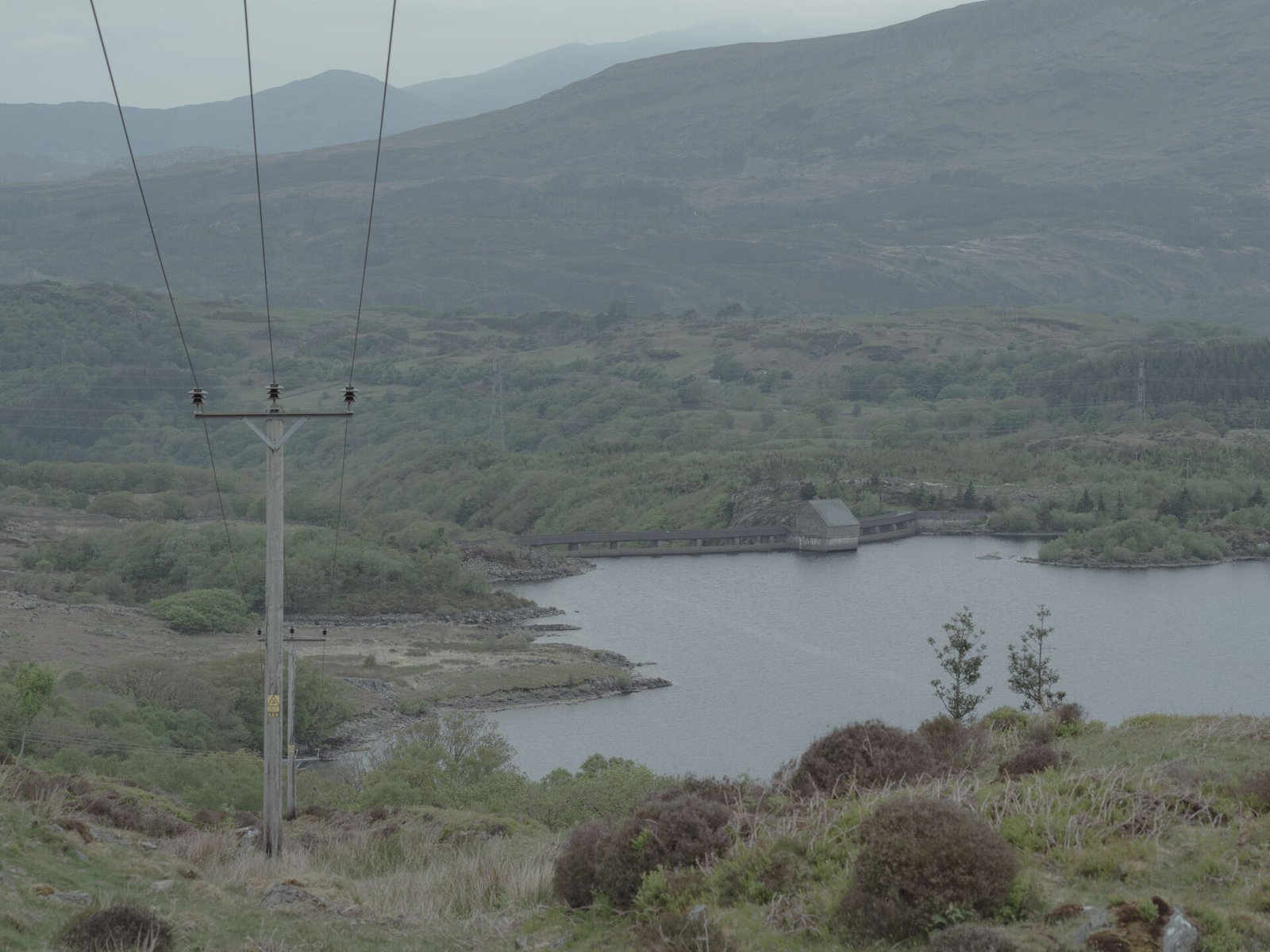
The dam felt like a remnant from a previous age when hydro-electric power was thought to be the answer to our energy needs, yet the irony is that it has outlasted the nuclear reactors. They stopped producing electricity in 1993, and it is the revenue generated from the energy that the hydro-plant produces that is funding the decommissioning of the nuclear reactors.
As I walked further around the Llyn to Cwm Moch on the opposite bank to Trawsfynydd I found myself mulling over this strange quirk of fate – the old technology funding the clean up of the newer technology. And what a clean up operation it is. A public information board near the site informs you that 99.9% of the spent radioactive material has been recovered and stored in an intermediate waste store on site. The site is now in a care and maintenance phase. The waste will be moved if and when a national waste repository becomes available, with final site clearance expected towards the end of this century.
I let this timeline sit with me for a while. Thirty odd years of generation, over one hundred years of clean up. Compare that to the hydro-electric scheme that now funds the clean up – still going over a century after commissioning. No waste produced with a yet unspecified final home.
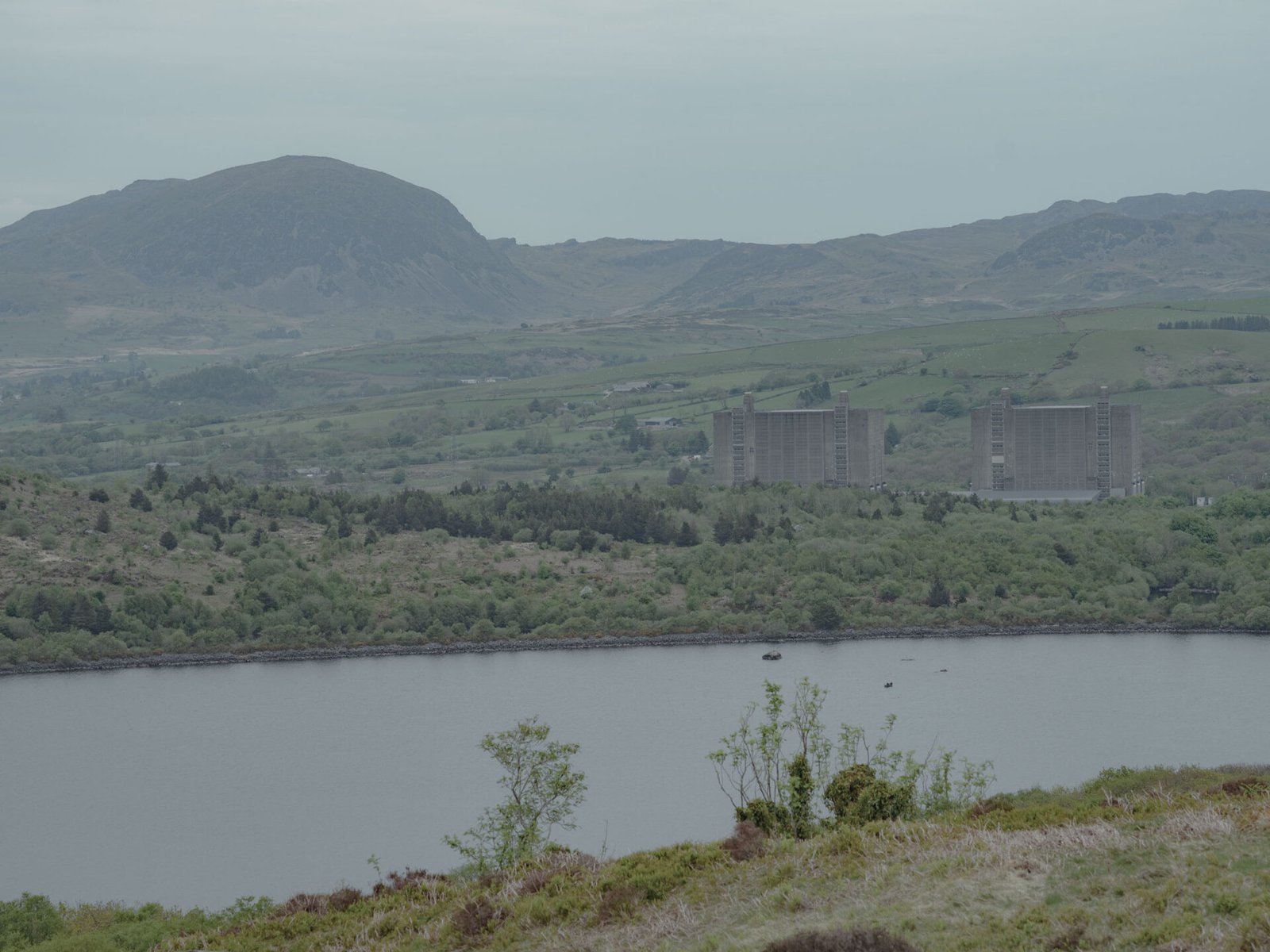
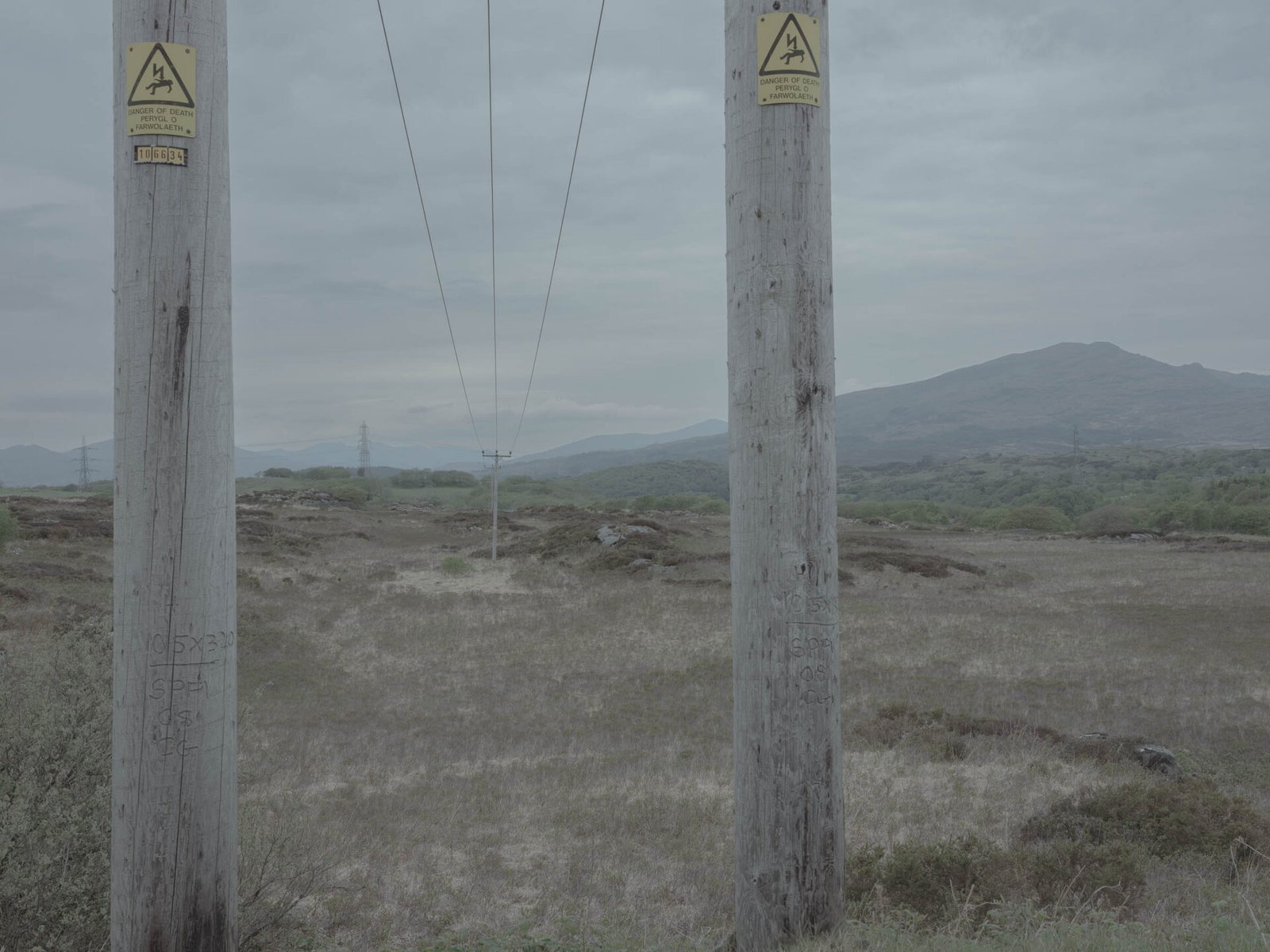
As I looked through my viewfinder across the large expanse of the Llyn, I asked myself what this landscape will look like when the twin concrete shells of the reactors are finally pulled down. Viewed from a distance there’s a majesty to the reactors. I felt a lingering sense of admiration for the beauty of the structures. They somehow feel more at peace with their surroundings here than the other reactors I have visited. The electricity pylons that funnel out from them in neat parallel lines across the mountains don’t feel as obtrusive as I thought they would.
Putting down the camera and just pausing to take it all in I felt reinvigorated. Eryri stirs your soul. When you are in a place as beautiful and epic as this you cannot help but be awestruck. The space, the scenery, the mountains, the air remind you that the first world problems of our daily grind are insignificant in the sweep of human history and especially in the grand scale of geological time. Our everyday stresses and anxieties, our selfish ruminations and preoccupations with ourselves all feel irrelevant. You realise how small you are.
And maybe that’s why the reactors, the dam, the pylons – which should all feel alien in this stunning landscape – somehow don’t feel out of place. It’s a scale thing. These structures are swallowed up by what surrounds them. They are present but not dominant. They don’t feel out of place because, just like me, they are insignificant.
Yes, it will take the rest of this century to remove the last remnants of the reactors. But the mountains were here for millions of years before they were built, and they will be here for millions of years after they have gone. Sat on the side of Cwm Moch looking across the Llyn at Trawsfynydd A and B, that was a deeply comforting thought.
Leave a Reply