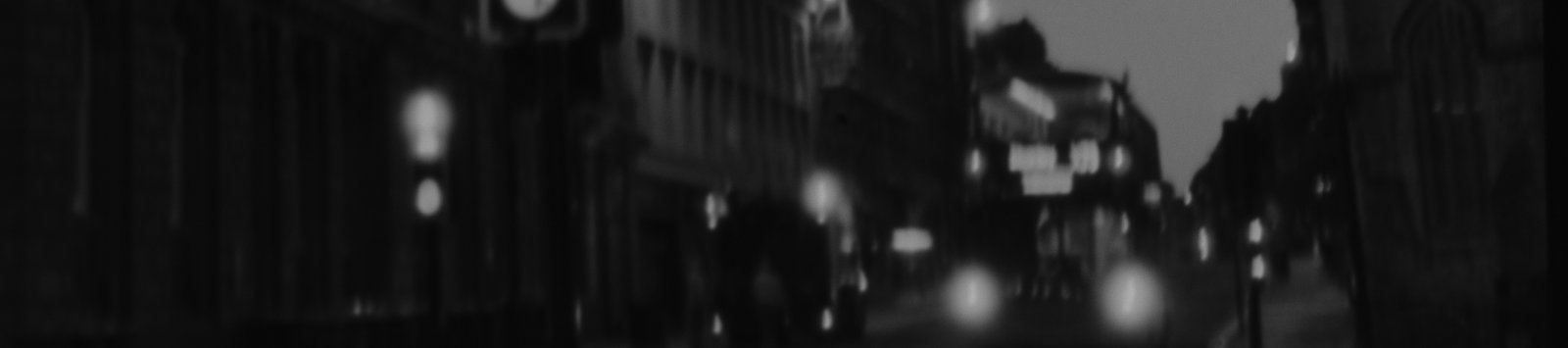
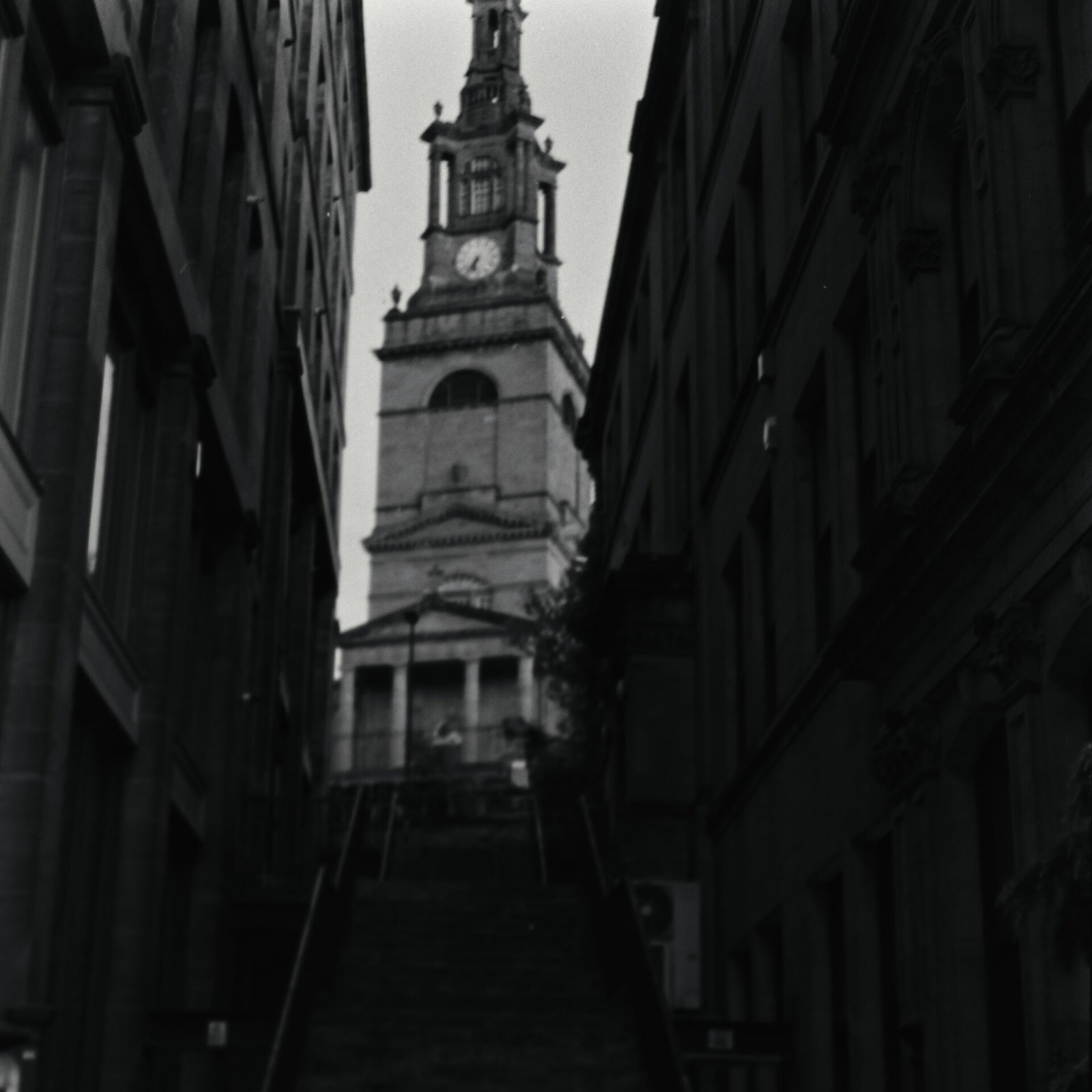
Walk around any big city at 6am on a Monday morning and you feel like you are walking through some sort of dreamscape. The world hasn’t quite woken up yet. The sun hasn’t risen. The commuters haven’t quite arrived.
Newcastle is a place I’ve visited a few times before in my younger days. My memory is hazy. One visit was for a stag do; enough said. I was there again taking my eldest son to his first week at university. An overnight stay meant I had plenty of time to get out early with a camera.
On this particular early Monday morning in mid-late September, there was a slight crispness in the air. Summer was slowly giving way to autumn but the clear morning sky, gradually illuminated by the rising sun, still had a promise of a little bit of warmth later in the day.
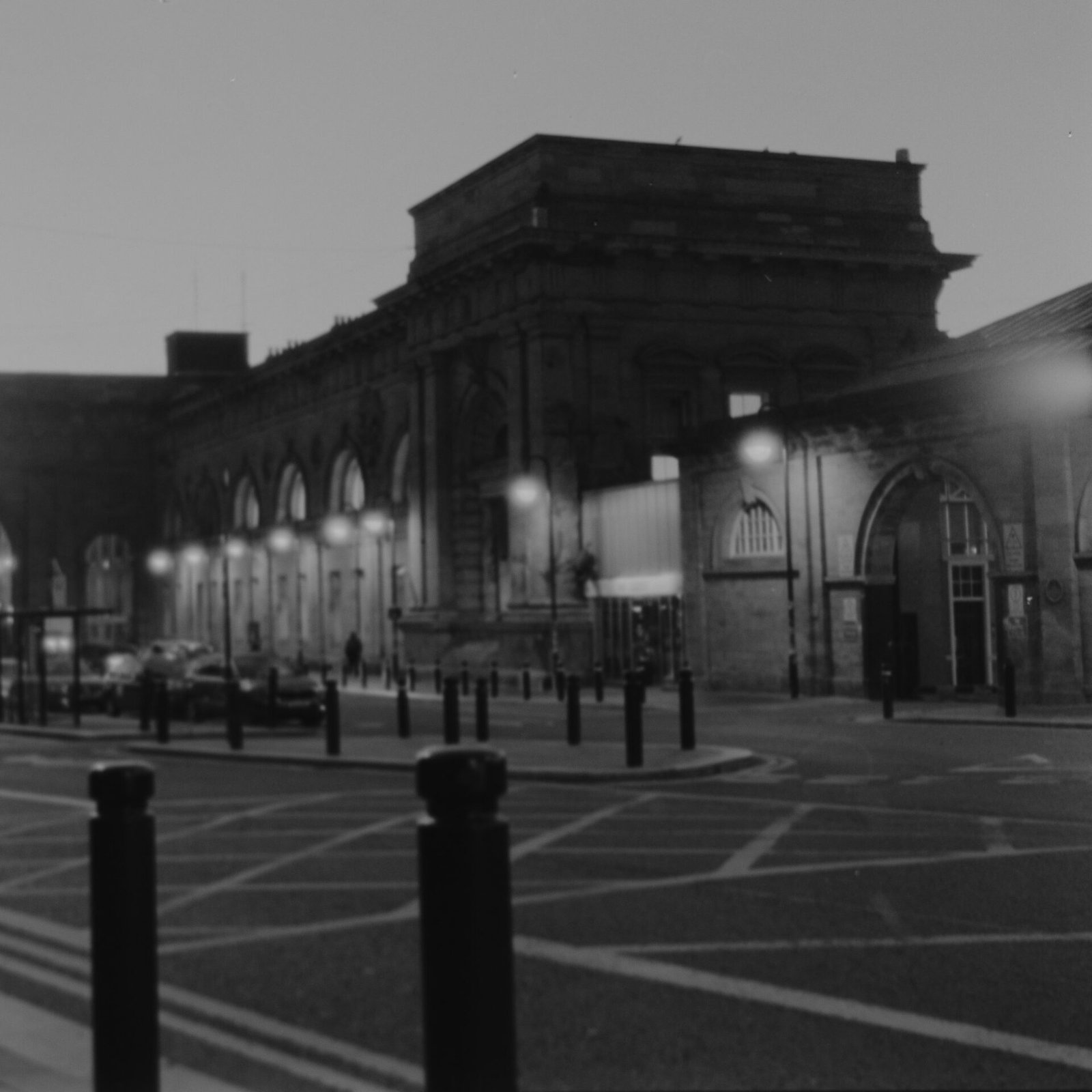
Walking through the city down towards the quayside from my hotel, my only company was a few early morning commuters and the incessant squawking of seagulls above.
Walking a city sober where your only previous experience has been alcohol-fuelled is a strange sensation. My past experience has conditioned me to think the city exists solely to serve the needs of the drinkers, the Bigg Market the centrepiece of its cultural offering to the world.
But of course, Newcastle is much more than that. It’s a vibrant student city, a regional business and commercial hub, has a thriving arts and culture scene, and is – of course – football mad. Nevertheless it still feels like Newcastle is slowly stirring from a hangover at that time of the morning. The bin lorries patrol the streets collecting up the rubbish and heralding the swarms of gulls. Despite their efforts, rubbish and litter spill out of bins and gather in street corners. Walking past one of the city’s many bars, lights are already on and you see the morning cleaners gathering up the bottles into big wheelie bins and cleaning away the weekend’s revelries. Rough sleepers can be found, loitering in the doorways, wrapped up warm against the overnight chill.
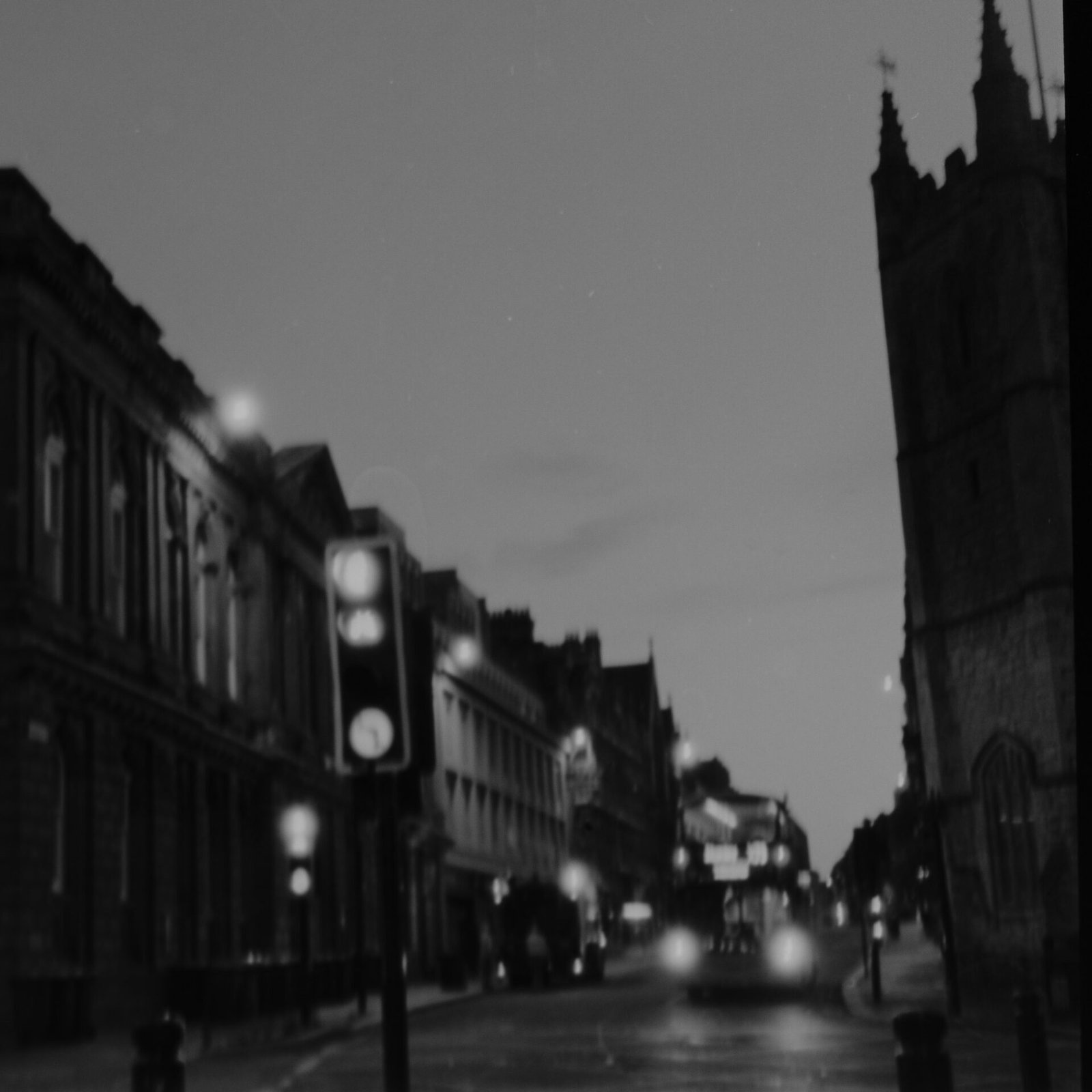
The light is ethereal in the half hour or so before sunrise. Floodlights and street lights are beginning to lose their luminosity against the growing daylight, only the vibrant reds and greens of the traffic lights pierce the half-light. The classical sandstone facades that give the city its distinctive appearance begin to reflect the light in the sky, their hue warming as the brightness gathers.
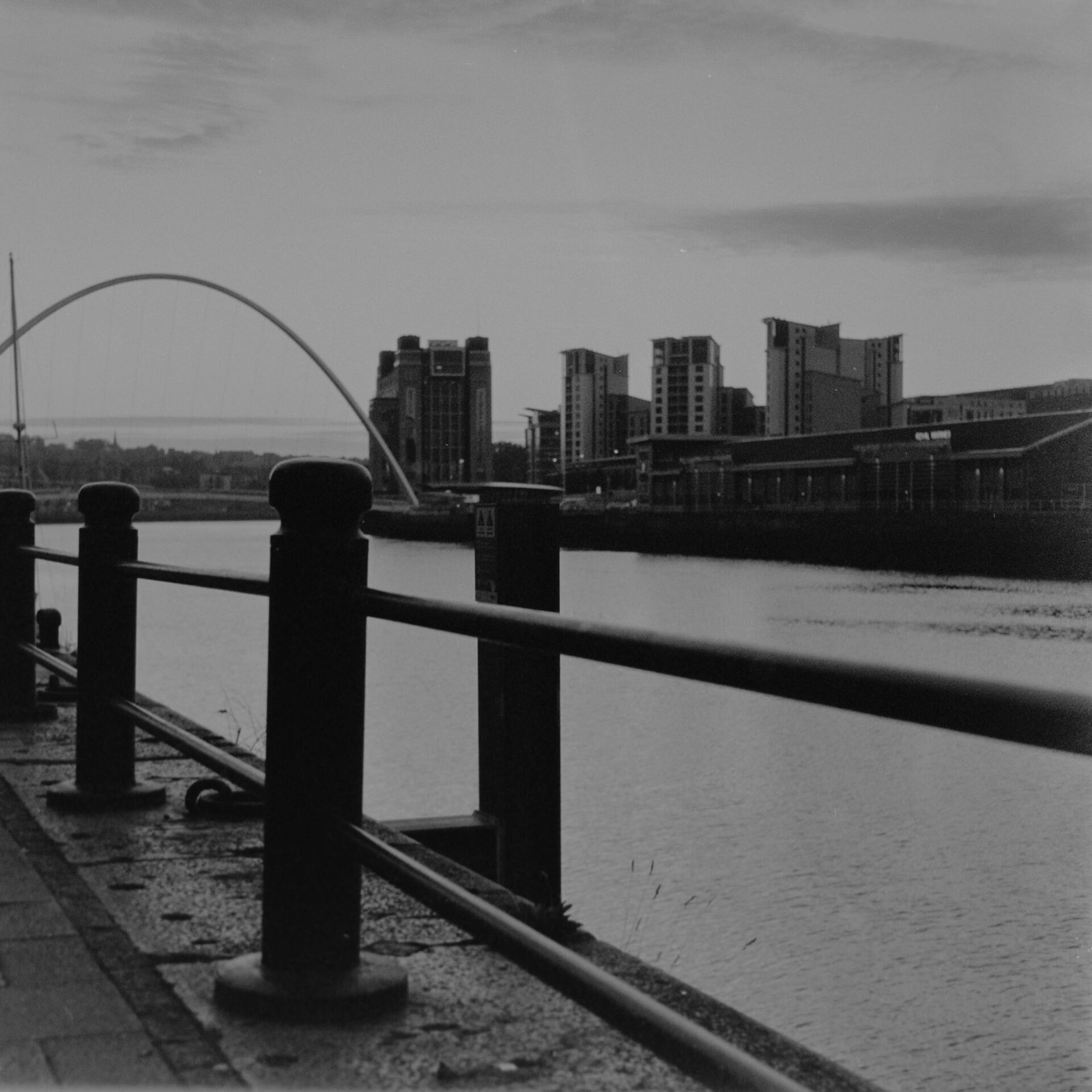
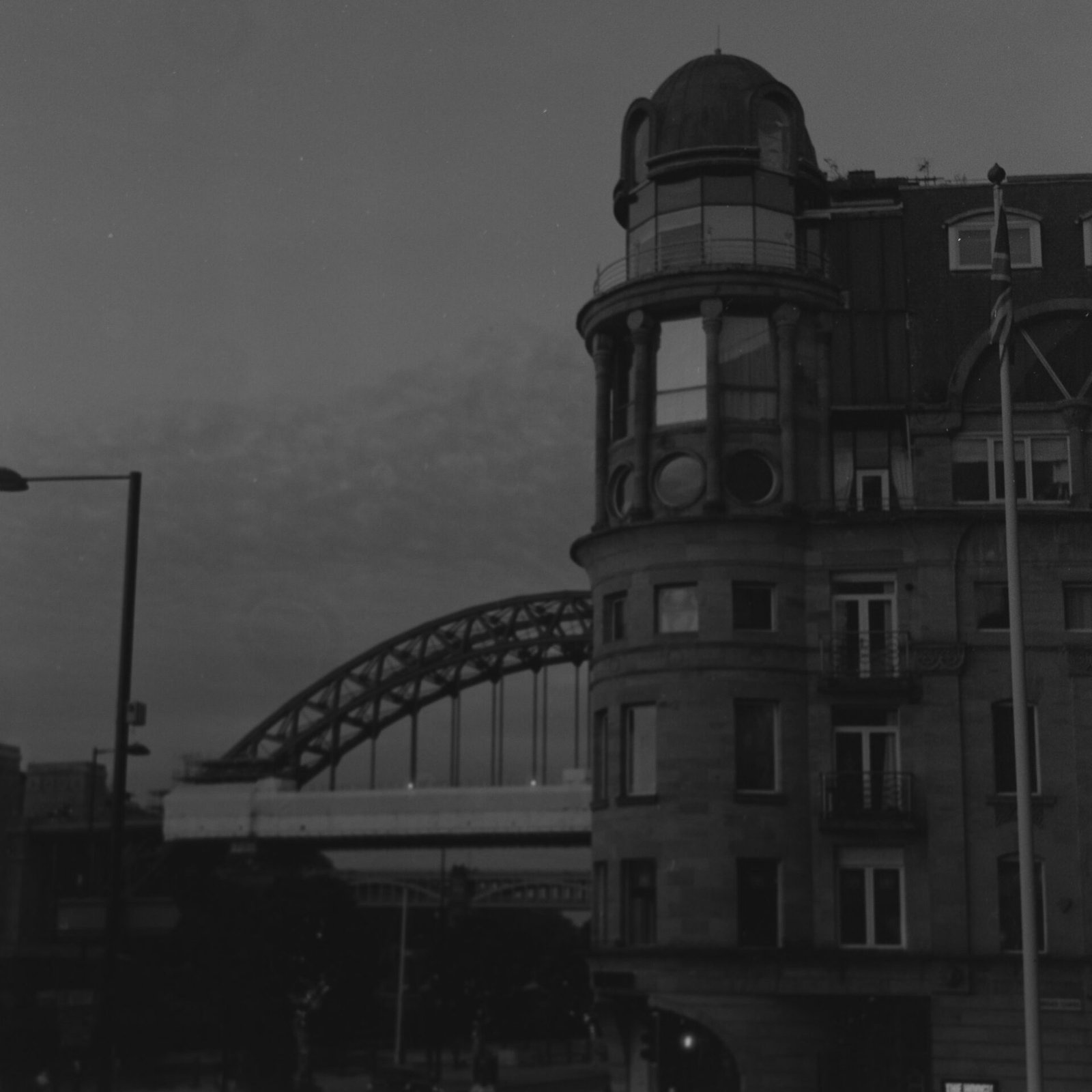
I eventually make it down to the quayside and am disappointed to find the Tyne Bridge clad in scaffolding and plastic, undergoing one of its periodic renovations. As I am carrying my Mamiya C3 that only has 12 frames of film in it, I decide to not waste a frame on a sub-optimal bridge shot, but can’t resist just one. Fortunately, however, looking downstream I’m rewarded also with a view of the Gateshead Millennium Bridge as the rising sun begins to colour the scattered clouds with a pink hue. Across the river The Glasshouse (still The Sage to locals) glows in the early morning sky.
Roll of film fully shot I wander back up into the city centre and towards my hotel. There’s a curious feeling of privilege that you experience when you’ve seen a city begin to wake up and stir in the way I did that morning. I feel like somehow I’m the only one here who has looked at the transition from weekend revelry to a business as usual Monday morning. Everyone else is doing their thing – commuting, working, travelling. I on the other hand, feel like the only one observing, feeling, capturing. I know that’s probably not quite true but for a few brief moments, with my camera in hand, it feels believable and I feel that I am privileged to be able to walk this great city and capture it as it rises from its slumber.