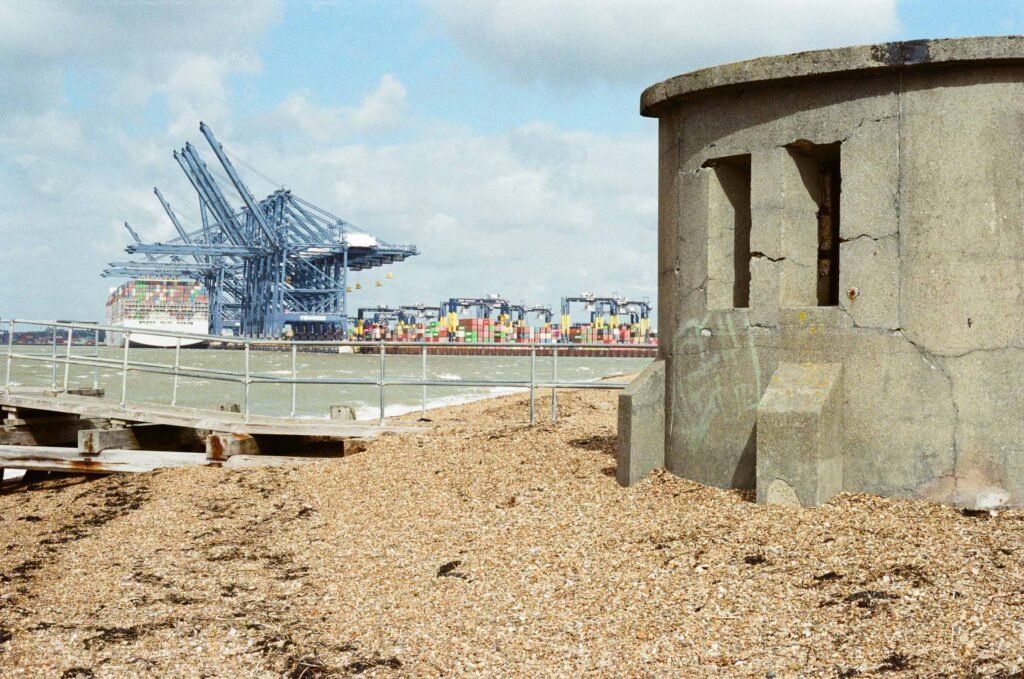
Look carefully at the small print of nearly anything you own or consume and you will find it was made somewhere on the far side of the world — Taiwan or China for electronics, Bangladesh or Turkey for clothes, Brazil or Colombia for the coffee in your cup. We all know we are part of a world economy, that very little we buy today is made in this country. But knowing that and truly grasping the physical scale of what it means are two very different things.
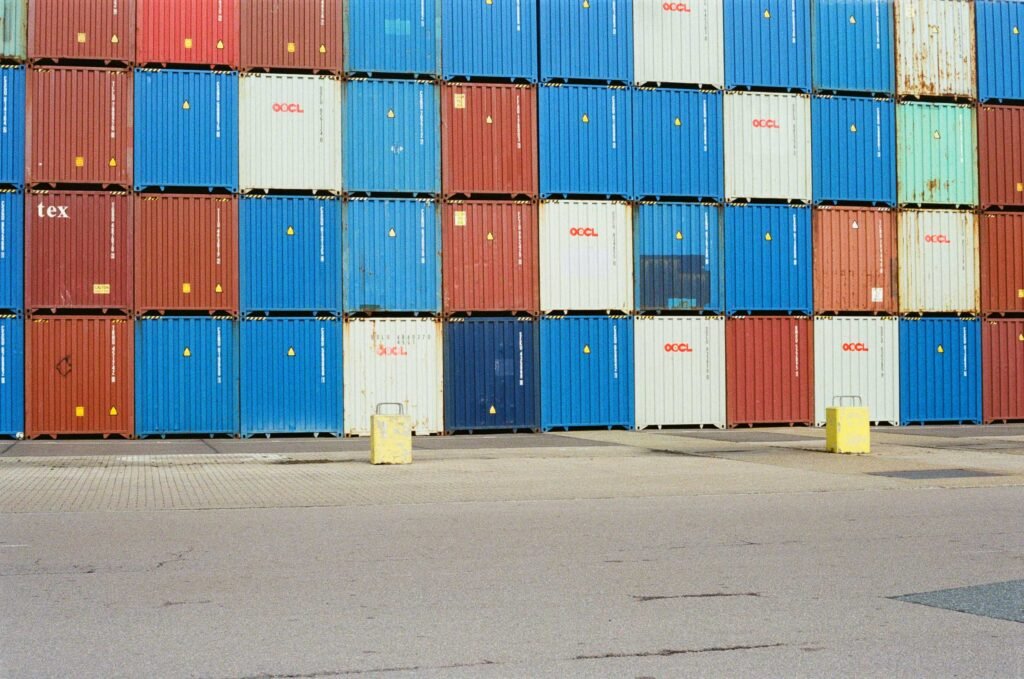
It is only when I was up relatively close to the thousands of brightly coloured and stacked shipping containers, organised in neat rows, stretching in some cases as far as the eye can see, that you begin to realise the infrastructure that is required to keep our insatiable demand for cheap goods sated.
The Port of Felixstowe, where the Orwell meets the sea on the Suffolk coast, is the UK’s largest container port — handling nearly half of Britain’s entire containerised trade. Its scale takes the breath away. Its 29 ship-to-shore gantry cranes, some reaching close to 50 metres above the quayside, dominate the local skyline for miles around, and at any one time the port has capacity to hold 152,000 containers stacked across its yards.
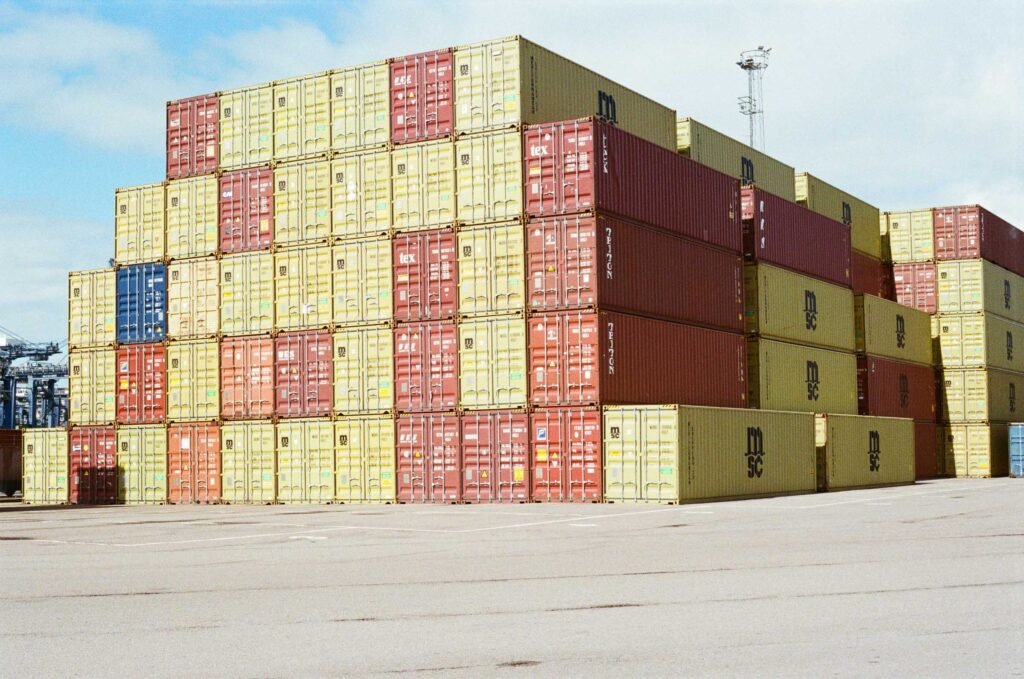
There’s a neatness and careful organisation to the stacked shipping containers that I see through my lens as a peer through the barbed wire fence that marks the perimeter of the port. This organisation is necessitated by the incredibly complex and precise logistics that make sure the cargo in each 12m by 2.4m steel box arrives exactly where we want it at the time we need it.
Looking at each box, you cannot help but ask yourself what sits within? Where did it come from or what language were the makers speaking as they crafted or manufactured the cargo that it holds? Whose homes will the products it holds end up in, will they be able to contemplate the complex logistical operation that delivered their new toaster, their garden table, or their shiny new shoes to their homes?
Photographed from a distance, there’s an almost toy-like aesthetic to the scene. Each colourful shipping container looks just like one of those 4 x 2 lego bricks that were the mainstay of any significant construction you made as a child. But then the dark grey of the cranes punctuates your childhood reminiscing, and reminds you that this scene conveys anything but child-like innocence.
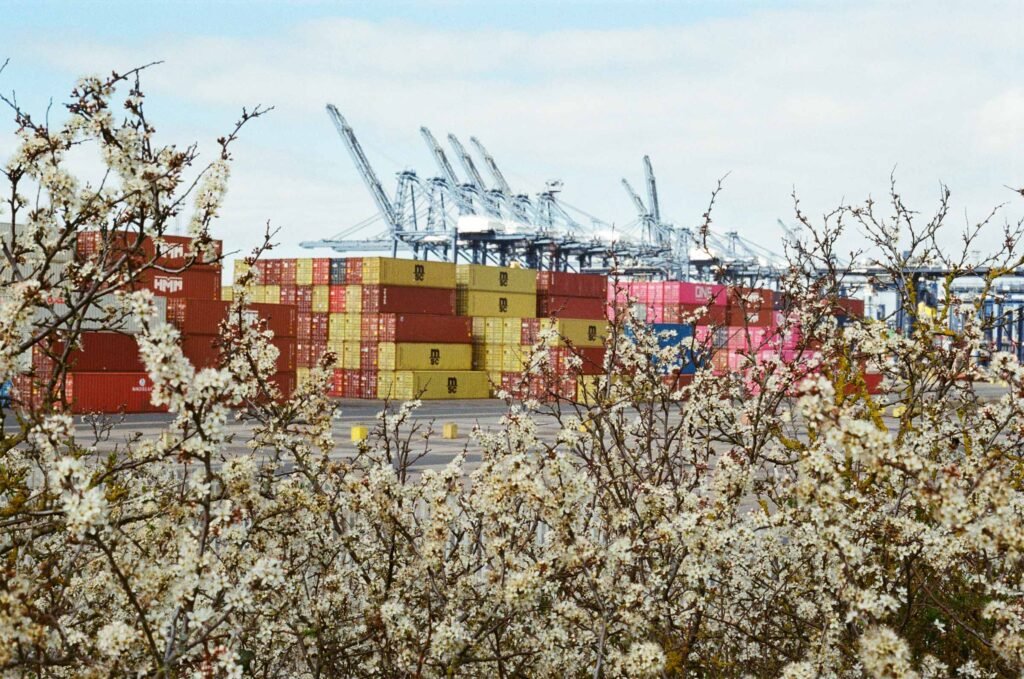
Each one of these boxes is a testament to consumption. The path that it took across the oceans of the world in the hull of a mega container ship is part of a chain of consumption that ties each of us to the world’s insatiable demand for resources. Each box represents an admission that we have built our lives around wanting and needing more stuff. You could argue whether this is a “need” created by corporate avarice rather than our own intrinsic desires, but we click on the buy button regardless, starting a chain of events that will ultimately end up in one of these boxes finding its way across the world to a harbour side such as Felixstowe.
Of course that’s not the end of the story. These containers are then loaded onto a lorry or occasionally a freight train for onward transport to a distribution centre somewhere across the country. For those of us worried about our carbon footprint, I was surprised to learn that it was this part of the journey, tethered to the back of a HGV, that is the most carbon intensive of the container’s journey, a surprising fact when you consider that some of these boxes have travelled thousands of miles from the other side of the world.
But once they are tethered to a HGV, the scale of the container shipping infrastructure we rely on so much is somehow lost as the lorries disperse across our trunk roads and motorways. It is here at a port like Felixstowe that you really feel the immense scale of the corporate consumption cycle that we are all a part of.
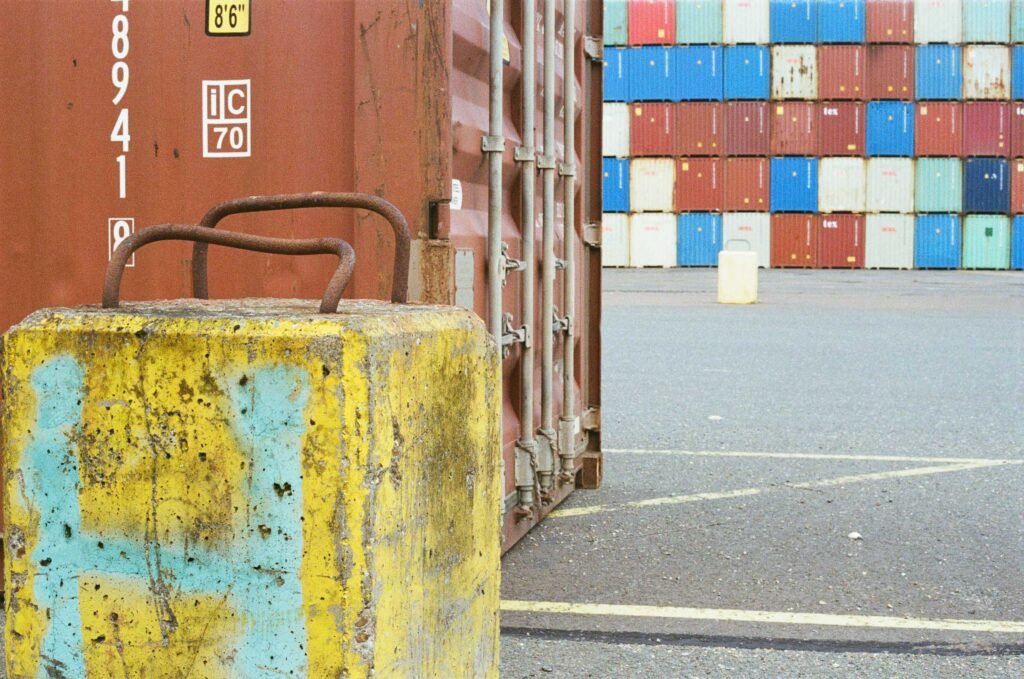
I must admit I expected to feel a degree of despair when I came to visit the port. I expected that I would feel shamed by what these thousands of shipping containers represented. I expected they would stir feelings of helplessness about the impact that our consumption culture is having on the planet.
But instead I found myself surveying the scene through my camera lens with a feeling of awe and optimism. The lives we lead in different parts of the world are all interconnected, now more than ever. Every box captured in the viewfinder was a testament to our ability to cooperate together on a global scale. In today’s uncertain world that feels like something worth holding onto.
Leave a Reply